
The Japanese Secret to Cats That Live Past 20
A daily mealtime ritual quietly adding years to cats' lives
Most American cat owners have never heard of it
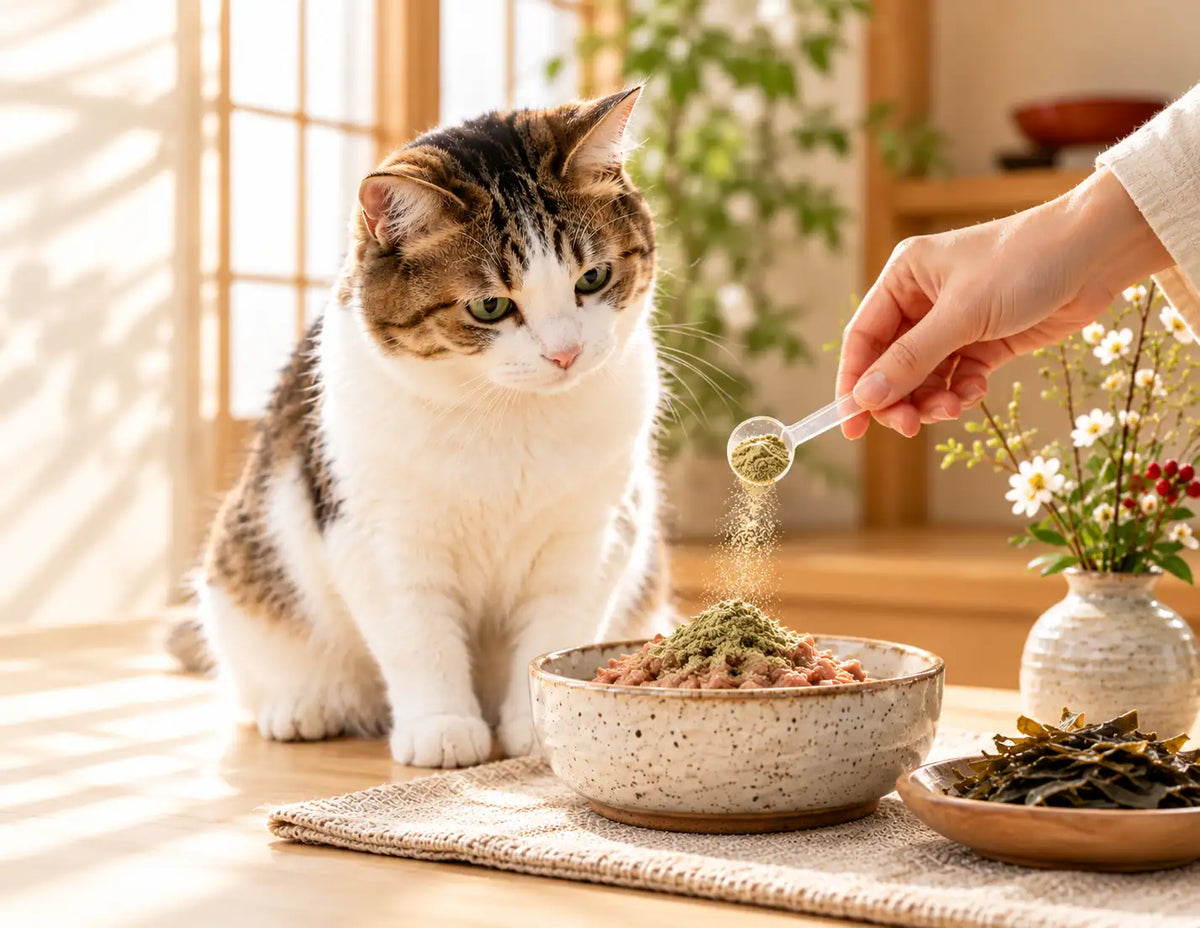
Takes under 10 seconds. No brushing, zero cooperation needed
Cat-approved taste. 1 scoop on wet or dry food
Interrupts the daily plaque cycle at the source
The Japanese Secret to Cats That Live Past 20
A daily mealtime ritual quietly adding years to cats' lives
Most American cat owners have never heard of it
Takes under 10 seconds. No brushing, zero cooperation needed
Cat-approved taste. 1 scoop on wet or dry food
Interrupts the daily plaque cycle at the source






In Japan, a 20-Year-Old Cat Doesn't Make the News
I'm a Japanese cat keeper. I look after over 40 cats. Our oldest is 24.
In America, most cats don't make it past 12.
People always ask me, what's the secret? The food? The breed? Some expensive supplement?
No. It comes down to one thing: the mouth.
If a cat's teeth are clean, they live a long life. If not, nothing else you do matters.
Here is what nobody in the West seems to know.
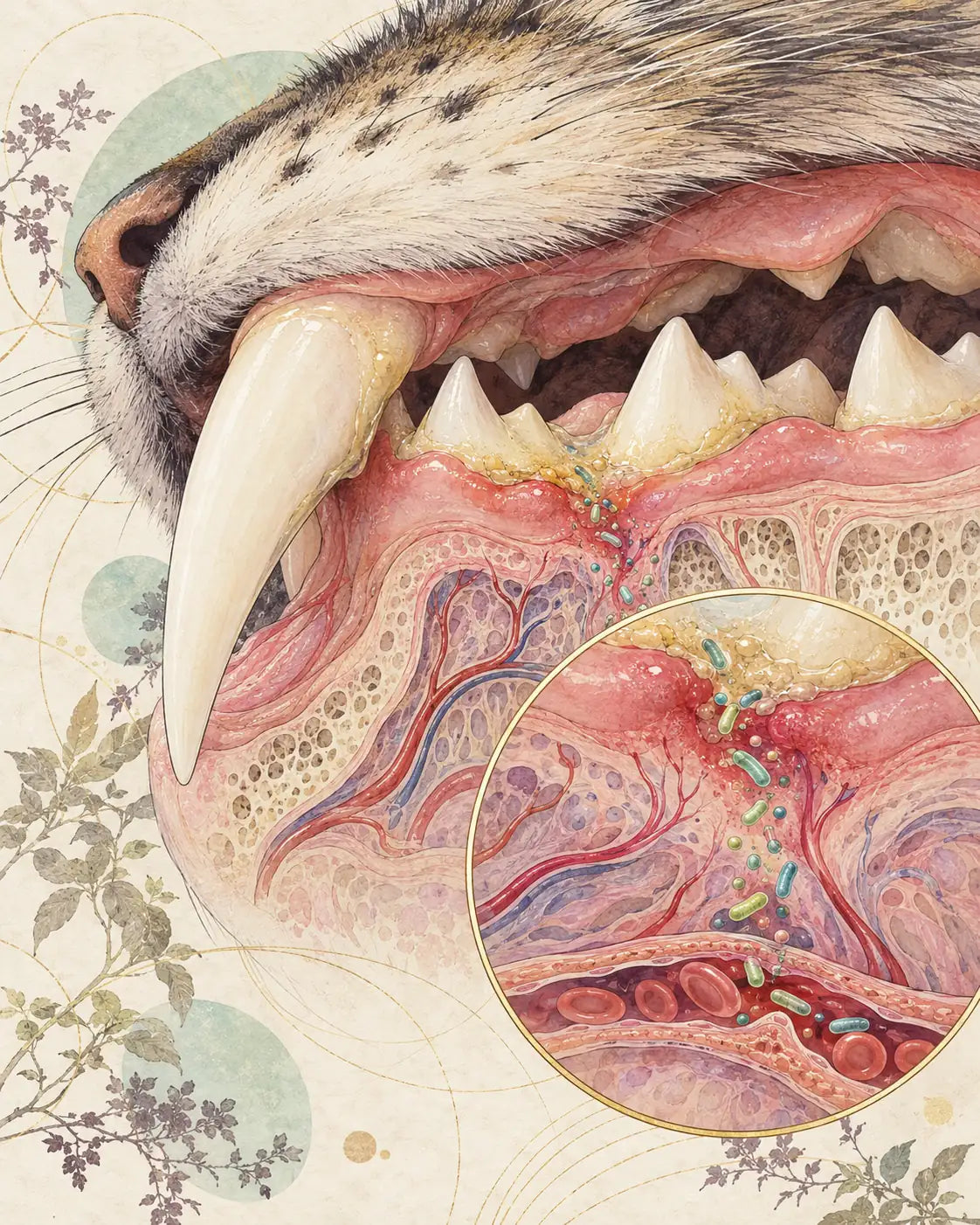
Every single day, a sticky layer builds up on your cat's teeth. You cannot see it. It has no color. But it is there. If nobody removes it, it hardens. Bacteria grows inside it. The gums get red and sore.
This happens to 80% of cats by age 3. Your cat almost certainly has it right now.
And this is not just a mouth problem.
The part no vet explains until it's too late
When the gums are damaged, they bleed, just a tiny bit, where you cannot see. Every time your cat eats, bacteria gets pushed through those tiny openings into the blood.
It reaches the kidneys. The heart. The liver. Every organ.
The kidneys have to filter that bacteria out, meal after meal, day after day. They get tired. They get damaged. Quietly. While your cat still looks perfectly fine.
This is why kidney disease is the number one killer of cats. Not bad food. Not old age. Bacteria that started in the mouth and never stopped spreading.
And your cat is probably already showing you the signs. Bad breath. Gunky buildup on the teeth. Red or swollen gums. Dropping food. Eating slower. Avoiding hard food. Pawing at the mouth. Chewing on plastic bags, cardboard, or cords, not because it is a weird habit, but because pressing on something soothes their sore gums.
Most owners notice the breath first. But the breath is just the smoke alarm. The fire is already spreading through the whole body.
By the time you find out, it is usually too late.
In Japan, we understood this a long time ago. That is why our cats live past 20, and most American cats don't make it to 12.
Sedation. Extractions. A bill nobody budgets for.
A Life Cut Short
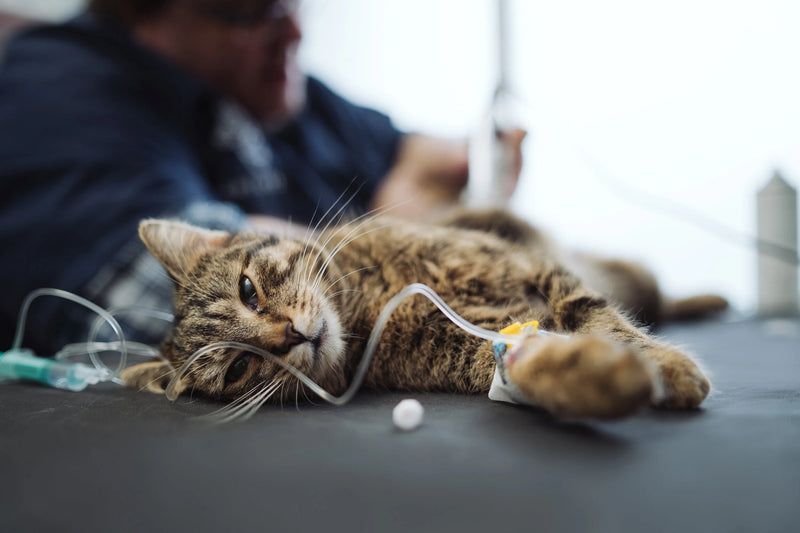
The average American cat lives to 12. Many don't make it that far. Kidney failure, organ disease, problems that started in the mouth years ago. By the time you find out, you're saying goodbye too soon.
Full Sedation for Extractions
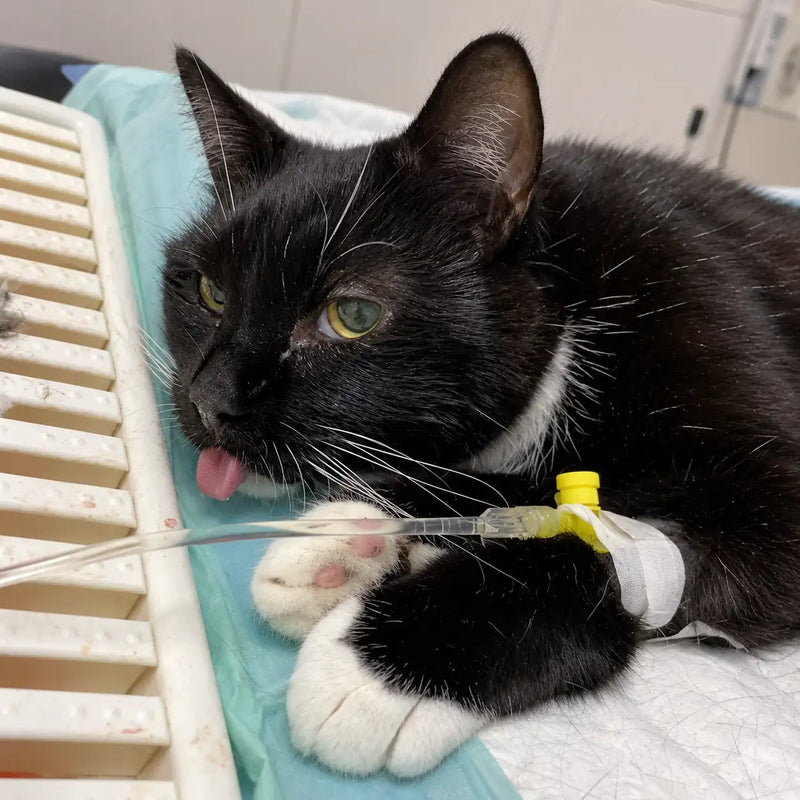
Your cat goes under full anesthesia alone — a real procedure with real risk. Some owners have lost cats on the table.

Teeth Pulled — Gone Forever
Infected teeth get pulled, sometimes many in one visit. They don't grow back.
By that point, the damage has been building for months or years.
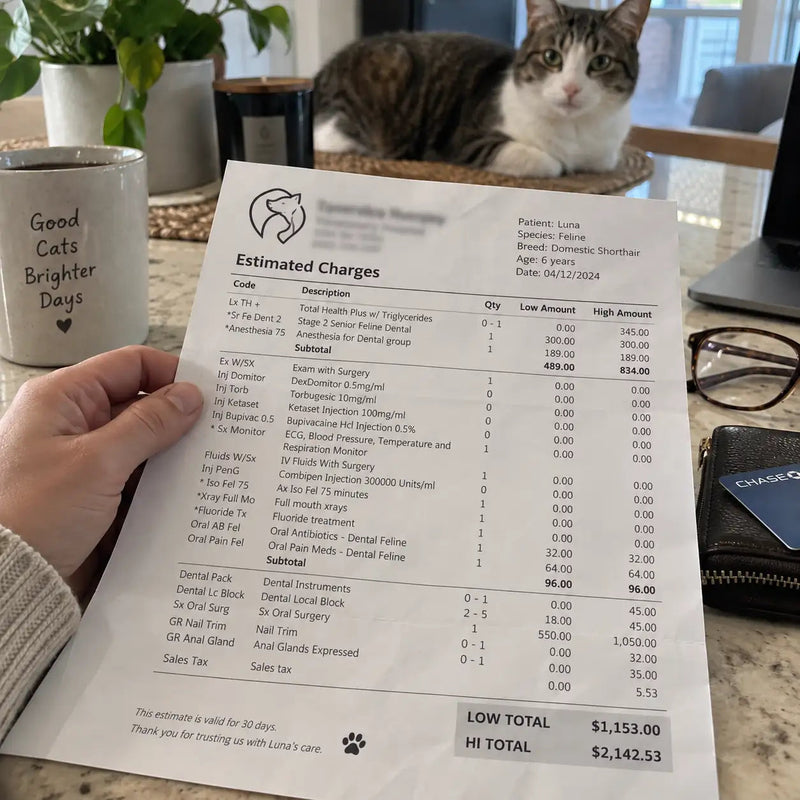
The Bill Nobody Budgets For
Emergency dental routinely runs $1,500 to $5,000. And some owners simply can't afford it — so the cat lives in pain.

Why nothing you have tried has worked
American owners always tell me: "I tried everything."
No. You tried the only things anyone told you about. None of them do what you think.
Brushing? Your cat won't let you. Nobody's cat lets them. You tried once, felt terrible, and stopped.
Dental treats? Most cats swallow them whole. They never touch the teeth. And they cannot reach under the gumline where the real damage is.
Water additives? Many cats stop drinking entirely. Now you have a dehydrated cat with dirty teeth.
Vet cleanings? $1,500 under full anesthesia. Teeth are clean for one day. The next morning, plaque starts building again.
These methods did not fail because of you. They failed because none of them do the one thing that matters — interrupt the plaque every single day.
In Japan, we figured this out a long time ago.
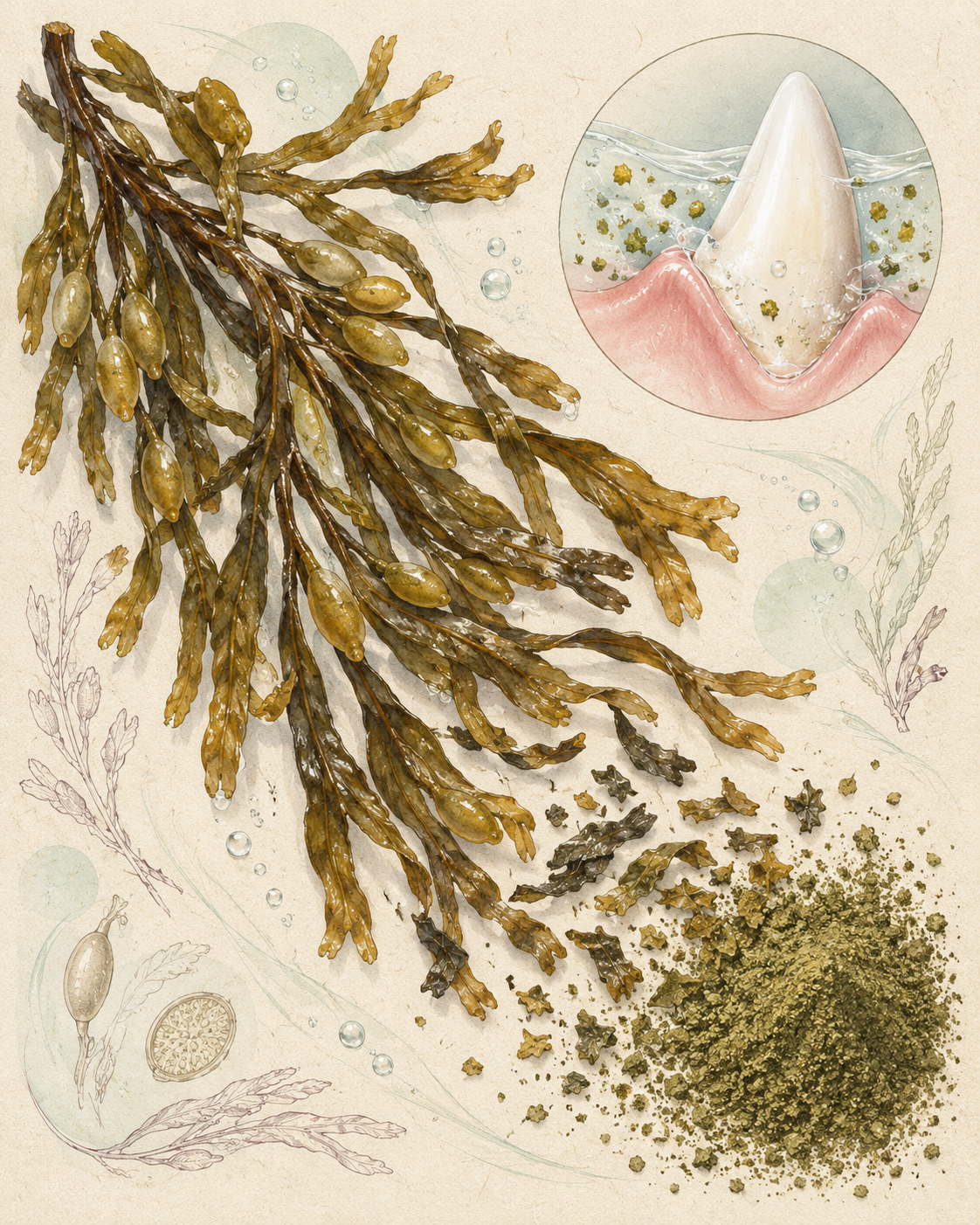
What we feed our cats instead
In Japan we have a word — kaiso. You would call it seaweed. We have been eating it for thousands of years. And we have been feeding it to our cats just as long.
But not just any seaweed. There is one specific kind that grows in the cold North Atlantic. Scientists call it Ascophyllum nodosum.
Here is what it does: when a cat eats it daily, it changes their saliva. The saliva stops letting plaque grip the tooth. The buildup cannot harden. The bacteria loses its foothold. The mouth stays clean — without brushing, without fighting, without your cat even knowing it is happening.
Not from chewing. Not from scraping. From the inside out. Every single meal.
We have over 40 cats at our sanctuary. Every one of them eats this daily. Our oldest is 24. Their teeth are clean. Their breath is fresh. They are healthy.
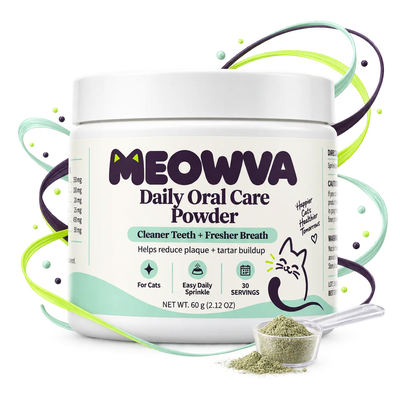
A company called Meowva built a formula around this. The same seaweed — turned into a tasteless powder. You sprinkle one scoop on the food your cat already eats. They eat. The saliva does the rest.
One scoop. Once a day. That is it.
No brushing. No fighting. No towel wrapping. No wrestling match. No stress for you. No stress for them.
Your cat eats. The mouth gets protected. The plaque clock resets. Every single day.
What's Inside (And Why Each One Is There)
Five ingredients. No fillers. Each one is there for a specific job.
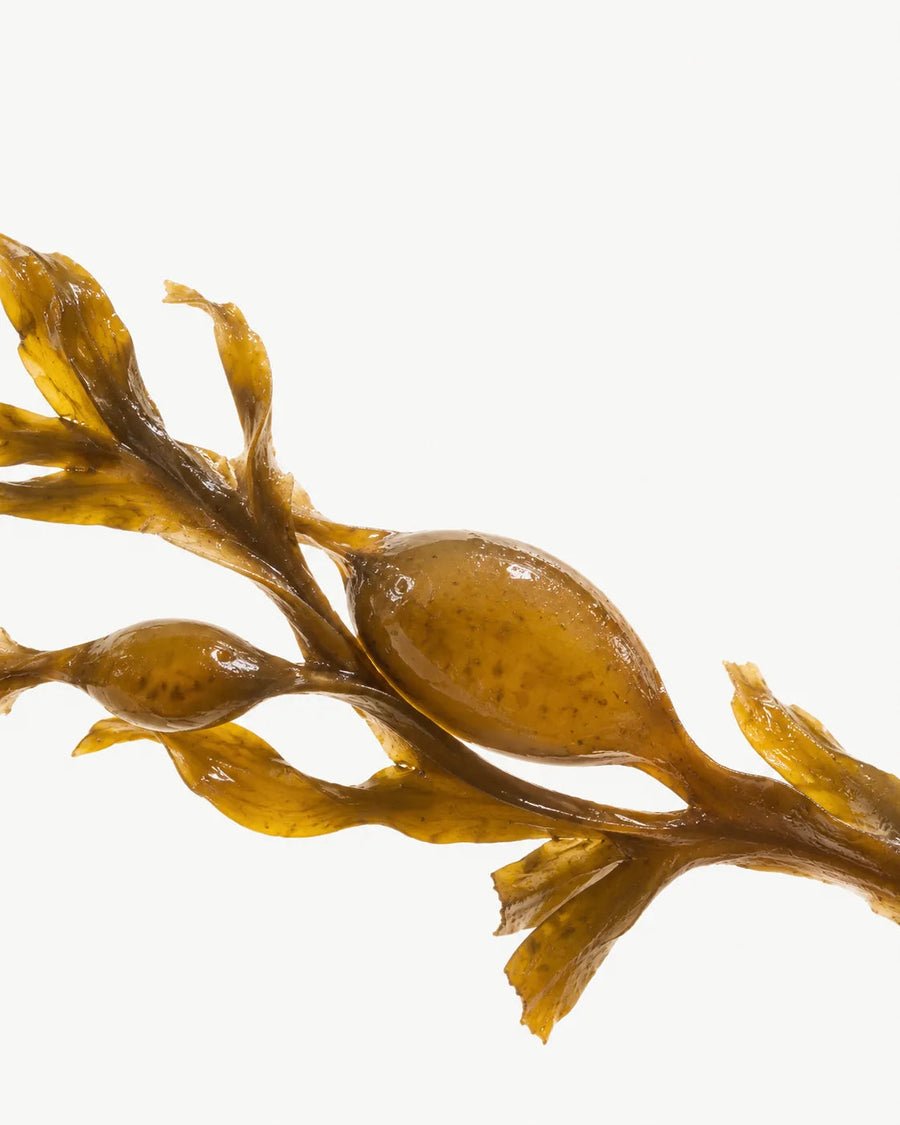
Japanese Seaweed Extract - 350 mg
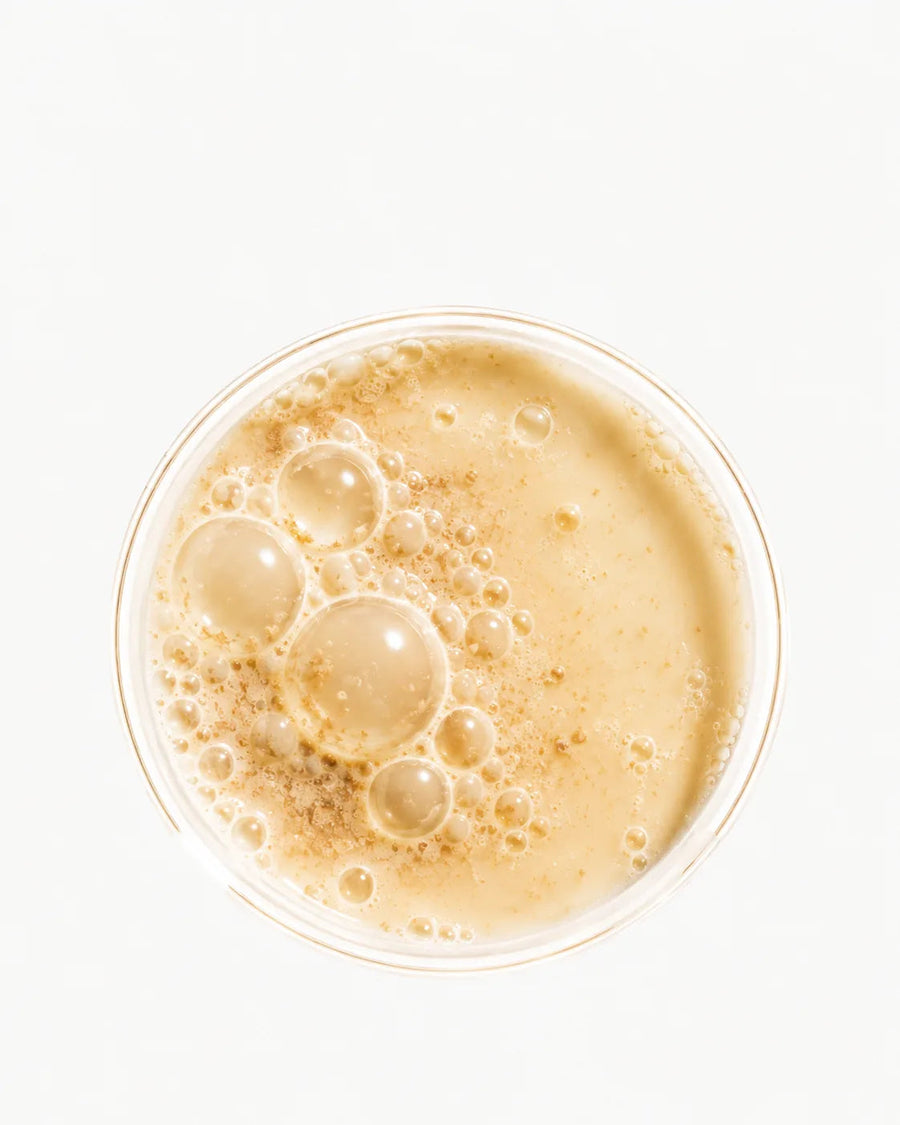
Brewer's Yeast - 450 mg
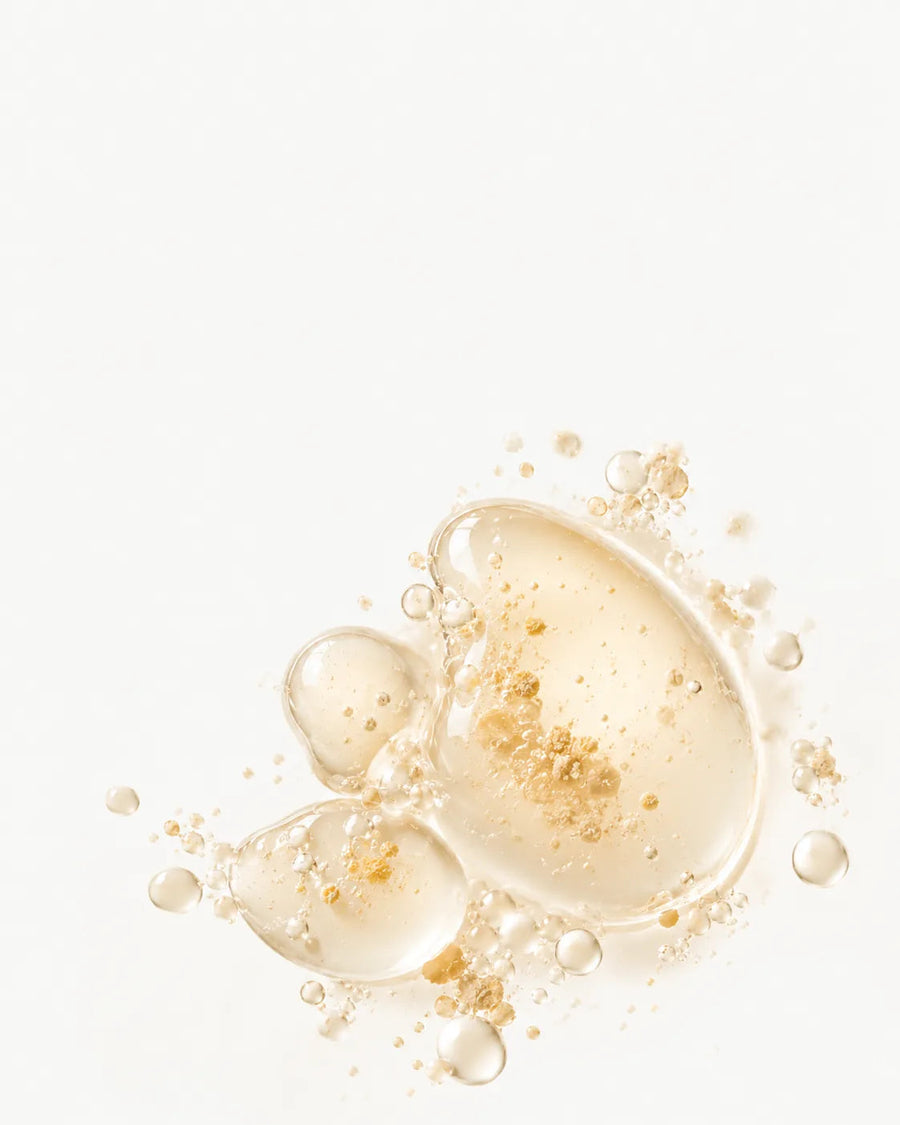
Postbiotic Blend - 100 mg
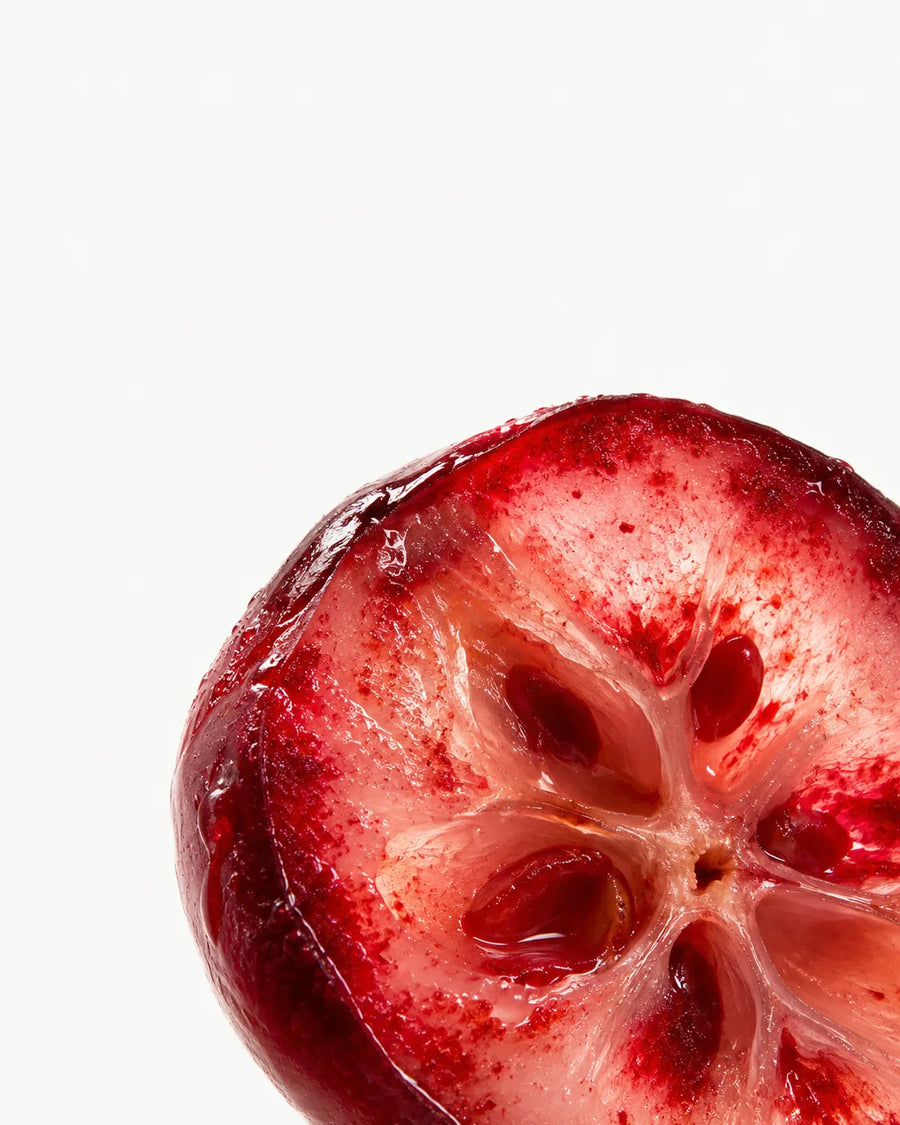
Cranberry Extract - 25 mg
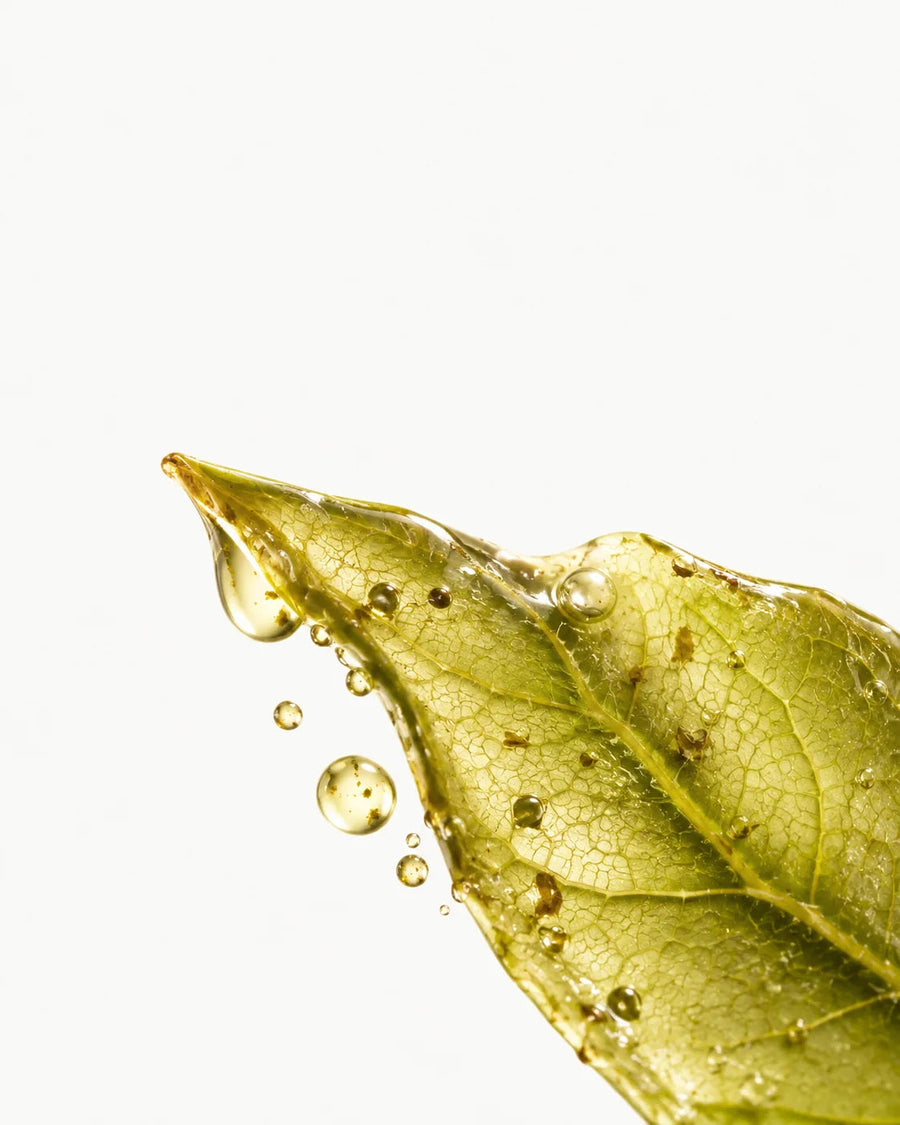
Decaffeinated Green Tea Extract - 20 mg
Full ingredients list
- Ascophyllum nodosum Extract — 350mg
- Brewer's Yeast — 450mg
- Postbiotic Blend — 100mg
- Cranberry Extract — 25mg
- Decaffeinated Green Tea Extract — 20mg
- Silicon Dioxide — 50mg
Inactive Ingredients: Spinach Powder, Yucca Powder, Mixed Tocopherols (as a natural preservative)
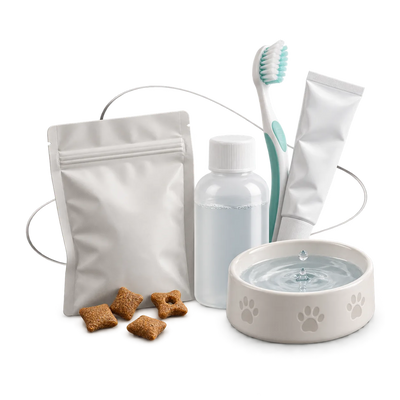
The Daily Ritual vs. Everything Else
Every other method has a point where your cat can say no. This one doesn't.

Try It Risk-Free
for 60 Days
If you don't notice a difference — or your cat won't eat it — contact us within 60 days for a full refund. No hoops. No hassle. No fine print.
We'd rather give you your money back than have it sit unused.

Free Shipping Straight
to Your Door
No extra fees at checkout. Just scoop, sprinkle, and you're done.
Free shipping · 60-day guarantee
Common Questions
How does a powder help my cat live longer?
It breaks the daily plaque cycle — the one that leads to gum disease, bacteria entering the bloodstream, and gradual organ damage. Dental disease is the #1 diagnosed condition in cats over 3. Kidney disease — the #1 killer — has been directly linked to oral bacteria circulating in the blood. Stopping it at the source means less organ stress and more healthy years.
How do I use it?
One scoop on whatever food your cat already eats. Wet or dry. No timing. No brushing. No wrestling match. They eat, the plaque cycle gets interrupted.
What if my cat won't eat it?
The brewer's yeast gives it a taste most cats love. It mixes in and most cats don't notice it's there. If yours won't touch it, the 60-day guarantee covers you completely.
My cat is a senior. Is it too late?
No. Plaque builds every single day regardless of age. Starting now still means less uninterrupted buildup going forward. And unlike brushing, this doesn't require holding down a cat that's more fragile.
How long until I see a difference?
Most owners notice the breath improve within 2 to 3 weeks of daily use. The deeper changes — less buildup, healthier gums — build with consistent use over time.
Is bad breath normal for cats?
No. A healthy cat's breath shouldn't smell rotten, fishy, or like garbage. That smell is plaque bacteria. It's the smoke alarm — not "just a cat thing."
What exactly is the guarantee?
60 days. Full refund. If you're not seeing a difference or your cat won't eat it, just reach out. No questions.
Can I use it with multiple cats?
Yes, just give each cat their own daily scoop.
Shipping & Returns
Orders ship within 6–9 business days. If your cat won't touch it, or you've used it consistently and haven't seen results, you're covered by our 60-day guarantee, just contact us and we'll make it right.
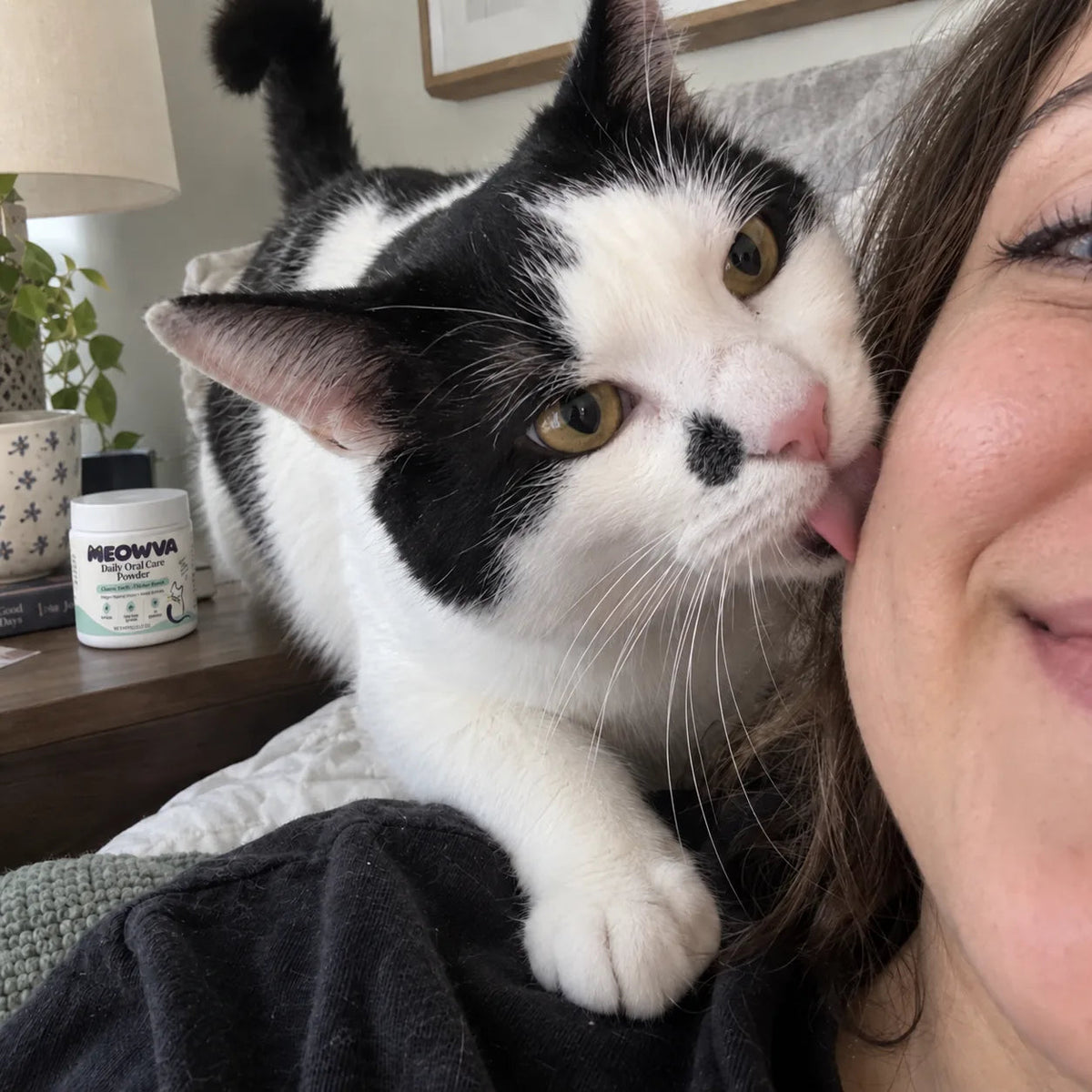
You've Read This Far. Here's the 10-Second Version.
Japanese cats live longer. A big reason is daily oral care that doesn't rely on brushing.
Plaque breeds bacteria. Bacteria enters the bloodstream. Organs take the damage — silently, for years.
One scoop in their food interrupts that cycle. No fight. No cooperation needed. Takes less than 10 seconds.
If it doesn't work, you have 60 days to get every cent back.
These statements have not been evaluated by the FDA. This product is not intended to diagnose, treat, cure, or prevent any disease. Results may vary. Consult your veterinarian if your cat has existing dental or health conditions.